
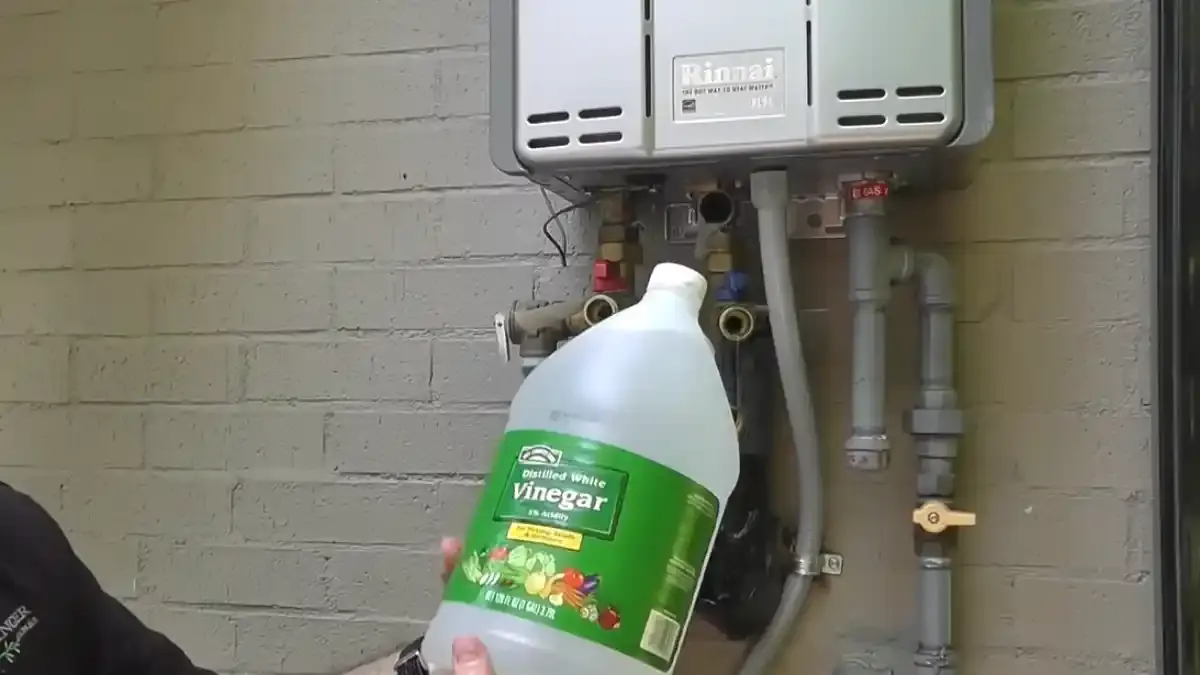
A tankless water heater heats water as it flows instead of storing it. That saves floor space and avoids running out in a long shower, but it also means the heat exchanger works hard every time a tap opens, and mineral scale on it becomes a real service issue.
We install tankless units, diagnose the error codes they display, and flush and descale them on a schedule that suits the water here.
Why Port Hueneme water matters for tankless
The City of Port Hueneme Water Division reports 210 parts per million total hardness in its blended 2025 water, about 12 grains per gallon by our conversion. Calcium and magnesium come out of solution when the water is heated and coat the inside of the heat exchanger. A coated exchanger heats less efficiently, throws error codes and can overheat.
That is the reason a descaling flush belongs on the calendar for a tankless unit here. A flush every year or two is a common recommendation, and some manufacturers specify intervals in the manual. We follow the maker for your model.
Flush and descale: what happens
- We shut off gas and power and close the water valves at the unit.
- We connect a pump and hoses to the service ports and circulate a descaling solution, usually white vinegar or a manufacturer-approved product, through the heat exchanger for about an hour.
- We flush the unit with clean water, clean the inlet filter screen and reopen the valves.
- We restart the unit, check flow and outlet temperature, and clear any stored error codes.
If your unit has never been flushed and is several years old, tell us. A neglected exchanger sometimes needs more than one pass, and we will say so before starting.
Cold water sandwich and other tankless quirks
| What you see | Common cause | What we do |
|---|---|---|
| Hot, then cold, then hot again | Brief shutoff between uses, known as the cold water sandwich | Check flow settings, consider a buffer tank or recirculation |
| Error code and no heat | Scale, clogged filter, venting or ignition fault | Read the code, flush, test ignition and vent |
| Water never gets hot enough | Flow rate above what the unit can heat, or scale | Check gallons per minute and inlet temperature |
| Unit shuts off mid-shower | Overheat protection or low gas supply | Test gas pressure and exchanger flow |
| Noise or vibration | Scale or a failing fan | Descale and inspect the fan and vent |
Installing a tankless unit
Tankless gas units draw a lot of gas at once, so the gas line and meter capacity matter. Venting rules are specific to each model and must be followed exactly. Condensing models also need a drain for acidic condensate. Electric tankless units need substantial circuits, and a whole-house electric model may require panel upgrades.
When we scope an install we check the gas line size, the vent path, the water line size and the nearest condensate drain before quoting. Our water heater installation page covers the sizing and permit points that apply to tank units too.
What affects tankless service and install pricing
Tankless work spans a flush, a repair and a full install, so pricing varies. These factors matter most.
Service type
A flush is a defined visit. A repair depends on the part. An install is a larger scoped job.
Gas line and vent
Many installs need a larger gas line or a new vent, which can be the biggest part of the price.
Unit model
Condensing and high-capacity models cost more and have specific install requirements.
Condition of the exchanger
A heavily scaled unit may need more than one flush or a replacement part.
Recirculation or buffer add-ons
Optional parts that reduce the cold water sandwich add cost.
Insurance does not usually cover a planned tankless upgrade or routine descaling. If a failed unit damaged the home, that damage is a separate claim.
You get a clear price before work starts. Call (805) 249-7135 with the model and error code and we can say whether a flush is likely enough.
Repair or replace a tankless unit
Tankless units are built to last longer than tanks, but only when they are maintained. A unit under about ten years old with a scale problem usually responds to descaling. One that has repeated ignition or flame sensor faults on top of heavy scale may be worth replacing. We give you the numbers for each path and let you choose.
If you need hot water restored right away, the water heater repair line is open around the clock and handles tankless diagnosis as well.
Tankless unit due for a flush?
Call with the brand, the age and the last service date. We schedule the flush and tell you what to expect.
Where we service tankless
We work on tankless heaters across Port Hueneme and in Oxnard and Channel Islands Beach. Hardness differs by water source, so ask us about your address if you are outside city water service.
Questions about Tankless Water Heater in Port Hueneme
A flush every year or two is a common recommendation for hard water, and manufacturers set their own intervals. The city reports about 12 grains per gallon of hardness, so we lean toward the shorter end unless you use a softener.
Codes point to ignition, flame sensing, venting, flow or overheating faults. Scale on the heat exchanger and a clogged inlet screen are frequent causes. We read the code against the manual and test the cause.
It is a short burst of cold water between two hot ones, caused by a brief gap when you stop and restart a tap. A recirculation setup or a small buffer tank can reduce it.
Usually yes, though it often needs a larger gas line, a new vent and sometimes a permit. We check each before quoting.
Our 24/7 line covers hot water failures of any kind. We diagnose tankless units on emergency calls and fix what we can on the first visit.